Long after the confetti has settled and the medals handed out, the bitter aftertaste of the Africa Cup of Nations still lingers. What should have been remembered as a celebration of African football has instead become a cautionary tale of how hosting privilege, dubious officiating, and calculated gamesmanship can conspire to undermine the very spirit of the game.Morocco, the host nation, walked away with glittering honours, Coach of the Tournament and the controversial Fair Play Award. Yet for many observers, these accolades sit uncomfortably alongside a tournament riddled with incidents that mocked the principles of fairness, sportsmanship, and competitive integrity.
Home Advantage Taken to the Extreme

Home advantage is a familiar concept in football. What unfolded at this AFCON, however, was something else entirely.From the group stage to the final, Morocco played every single match at the same venue, trained at the same facilities, and avoided the physical and psychological fatigue that comes with tournament travel. No other team enjoyed such luxury. It was unprecedented in AFCON history, a logistical imbalance that CAF inexplicably sanctioned.
While Morocco remained comfortably settled, other teams crisscrossed the country, adjusting to new pitches, hotels, and training grounds. In elite competition, such disparities are not trivial; they shape outcomes.
Senegal’s Ordeal: Mind Games Before the Final

Ahead of the final, Senegal, eventual champions, were subjected to conditions that raised serious questions about CAF’s organisational neutrality.The team reportedly travelled by public train, navigating overcrowded stations with little security. Videos of players pushing through hostile crowds quickly circulated online. Since when did continental finalists travel like ordinary commuters?Their accommodation arrangements were equally troubling.
After rejecting substandard lodging, Senegal were redirected, only to discover that their training sessions would take place at Morocco’s own training ground, stripped of privacy and calm. Each issue was “corrected” only after complaint, but by then, the damage was done.These were not accidents.
They were classic psychological disruptions, mind games deployed before footballs were even kicked.
Towelgate: Gamesmanship on Global Display
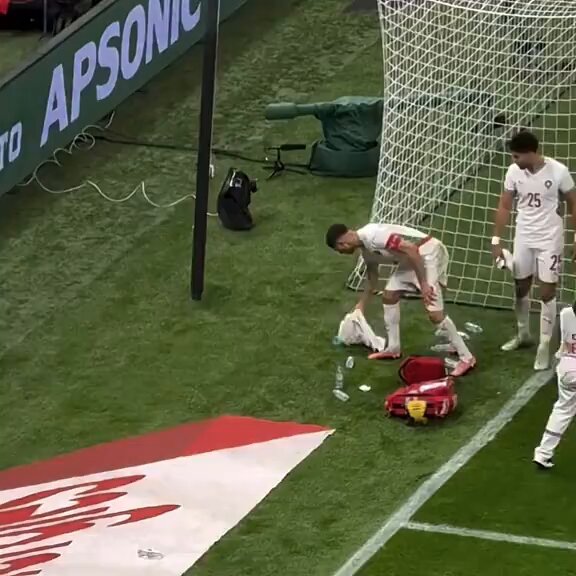
Then came the moment that captured global disbelief.On rainy matchdays, opposition goalkeepers found their towels repeatedly removed, tossed aside, or seized by Moroccan ball boys , a blatant attempt to disrupt play. Moroccan Captain, Hakimi was seen tossing Mendy’s towel to some officials, and Cameras caught it all.
The ball boys were not playful mascots; they were active participants in gamesmanship.How does a team win Fair Play Award honours when such behaviour unfolds in plain sight? Moroccan midfielder Ismael Saibari later apologised to Senegal’s goalkeeper, Édouard Mendy, an admission that something was wrong. Nigeria’s Stanley Nwabali endured similar treatment in the semi-final. These were patterns, not coincidences.
CAF’s Silence, FIFA’s Complicity
Perhaps most alarming was not what happened on the pitch, but what didn’t happen off it.CAF officials watched. FIFA representatives were present. The incidents were televised globally. Yet there was no decisive intervention, no sanction, no accountability. Silence, it seemed, was the chosen response.This passivity emboldened the perception that Morocco were not merely hosts, they were protected participants, shielded by the very institutions meant to safeguard fairness. The suspension of Cameroun’s football federation boss, Samuel Eto’, is a huge pointer to this gross miscarriage of justice, at least, it clear why the indomitable lions were denied two clear penalties appeals, at least in the eye of the spectators.
The Final Insult
As tensions boiled over in the final moments, frustration erupted. Senegal’s coaching staff, convinced that officiating decisions were tilting dangerously toward the hosts, instructed their players to walk away rather than surrender the title through what they believed was manipulation by the whistle. In a moment that shocked many, FIFA President Gianni Infantino appeared reluctant to present the trophy to Senegal, a gesture interpreted by critics as petty, politicised, and unbecoming of football’s highest office. If that reaction was born of anger, then it represented a failure far greater than any protest on the pitch.
A Tournament Remembered for the Wrong Reasons
AFCON should be about African excellence, unity, and fair competition. Instead, this edition risks being remembered as a tournament where results seemed to matter more than ethics, where hosting power blurred into entitlement, and where officiating decisions cast long shadows over genuine achievement. Morocco may have hosted the tournament, but in the eyes of many, the credibility of AFCON was the real casualty. And like any bad hangover, the headache refuses to fade.

 News Rendezvous
Leave a comment