By News Rendezvous Abuja — January 2026
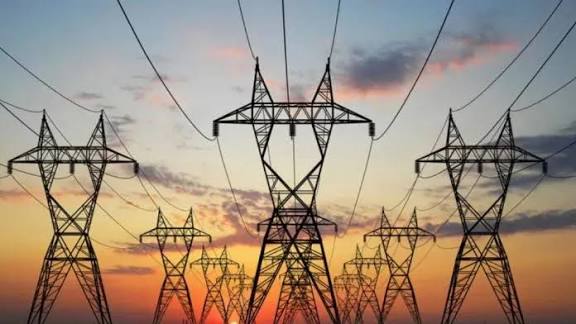
Nigeria’s long-standing electricity crisis has taken a troubling turn in 2026, with the first total national grid collapse of the year recorded in late January, plunging cities across the country into darkness and disrupting homes, businesses, hospitals, and public services.
A Familiar Nightmare: The Grid Fails Again

On 23 January 2026, real-time data showed electricity generation across Nigeria’s national grid fell to 0 MW, meaning all 11 distribution companies were left without power. Days later, the grid experienced a second collapse this time within four days of the first, highlighting a severe volatility not just in infrastructure but in systemic resilience. What the Numbers Reveal
The scale of Nigeria’s grid instability becomes clearer against historical data:162 grid collapse incidents were reported between 2013 and 2024, according to industry figures, an average of more than 10 collapses per year over that decade. Broader research shows the national grid has collapsed 564 times between 2000 and 2022, averaging roughly 28 system failures annually, a statistic that underscores chronic fragility in the transmission network. Experts attribute this frequency to outdated infrastructure, maintenance deficits, inadequate generation relative to demand, and transmission bottlenecks factors that remain unresolved despite years of reform and investment.
Electricity Generation and the Demand Gap

While Nigeria’s installed generation capacity across 23 grid-connected plants stands at over 11,000 MW, actual output rarely exceeds 4,000–5,000 MW on good days, far below demand, which is estimated to require 40,000 MW to ensure reliable, nationwide service. Even at full installed capacity, systemic issues within transmission and distribution prevent generated power from reliably reaching consumers.
The Promise of a Solar-Powered Boost
In a bid to break this cycle, the Federal Government recently announced plans with a Japanese firm to develop a 7,000 MW solar-powered electricity project, a renewable expansion that, if realised, could significantly augment Nigeria’s generation mix and reduce dependence on gas and hydro alone. However, key questions remain unanswered:
- Timeline: When will construction begin and power flow to the grid?
- Funding: How will the project be financed and insured against delays?
- Integration: How will additional solar generation be stabilised within a grid prone to collapse?
- Without a publicly available, time-bound roadmap, Nigerians are left guessing whether this initiative is transformative policy or another headline without substance. Promises vs. Reality. Before his election, Bola Ahmed Tinubu pledged to end Nigeria’s endemic power outages, vowing reliable electricity as a cornerstone of national renewal. Yet, two years in, the lived experience of households and businesses tells a different story. From Lagos to Kano and Abuja to Port Harcourt, citizens navigate erratic supply, frequent outages, and the crushing cost of alternatives like generators fuelled by rising and volatile diesel prices and neglected grid performance.
- Broader Impacts
- The economic and social costs are profound:Health facilities struggle to power life-saving equipment without costly standby generators.Manufacturers cite electricity insecurity as a primary constraint on productivity. Households face skyrocketing costs just to stay lit. Analysts estimate that chronic power outages have a dampening effect on GDP, particularly in sub-Saharan economies like Nigeria’s, where extended outages correlate with reduced manufacturing output and investment. What Nigerians Want to Know. Millions are now demanding answers:When will generation capacity consistently meet demand? How will transmission weaknesses be fixed?What accountability measures exist for failed targets? Is there legislative or regulatory teeth behind these power sector reforms? Without clear answers, frequent blackouts and grid collapses will remain not just a technical problem, but a political and developmental crisis. Conclusion. Nigeria sits at a critical juncture: its energy landscape is ripe for transformation, with renewable potential, private-sector innovations, and international interest on the rise. Yet until leadership translates plans into enforceable action, reliable power will continue to be an aspiration rather than a lived reality for millions.

 News Rendezvous
Leave a comment