Yola, Nigeria
In a bold move to amplify the voices and visibility of adolescent girls, the Rhamo Multimedia Resources Centre, in partnership with the Adamawa State Ministry of Education and Human Capital Development, has trained journalists on creating impactful media content under the AGILE-AF Project (Adolescent Girls Initiative for Learning and Empowerment).
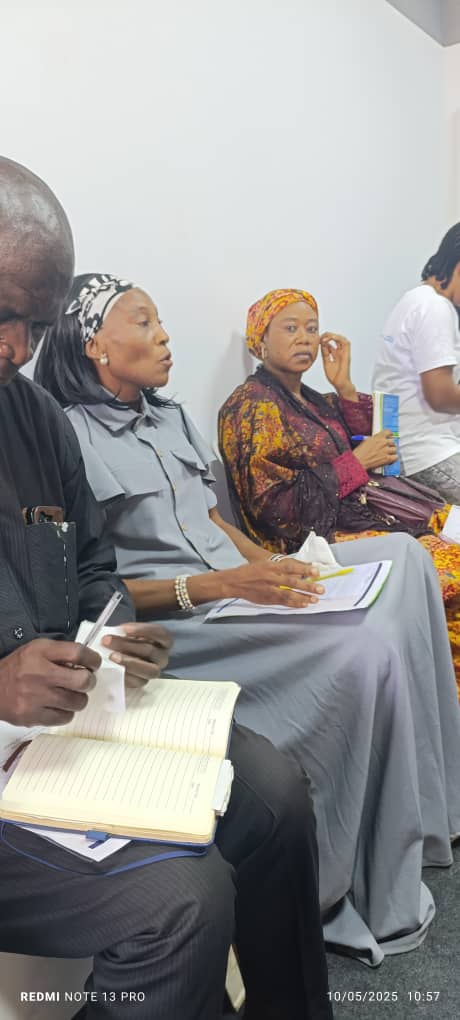
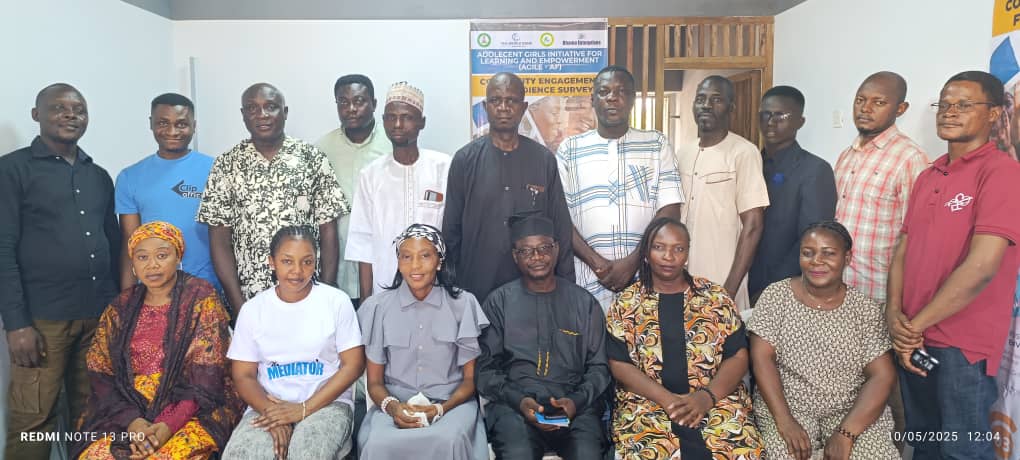
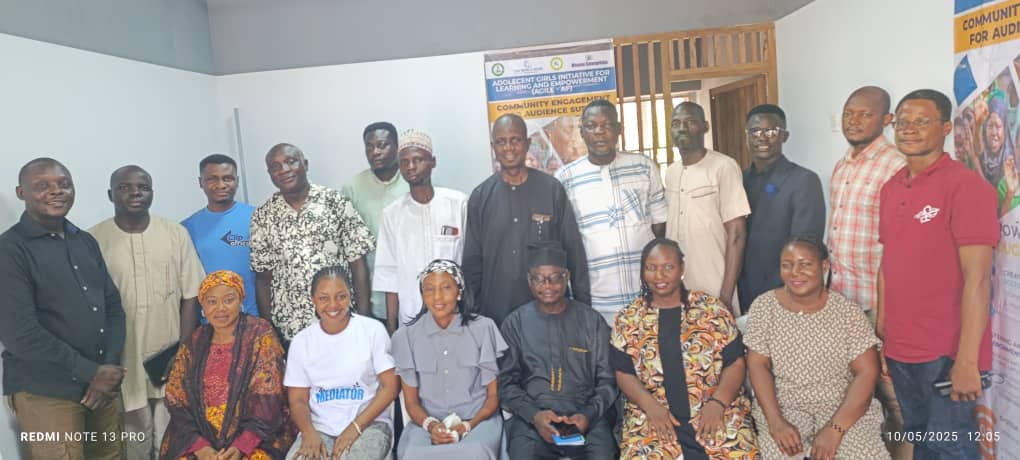
The one-day media training, held in Yola on Saturday, brought together 20 journalists and media professionals from both print and electronic platforms across Adamawa State. The session focused on equipping them with practical tools, ethical guidelines, and multimedia storytelling techniques to enhance reporting on girls’ education and empowerment.
Speaking during the opening session, Ruth Stanley, Lead 2.1 AGILE-AF (representing Jethro Zangthan), provided an overview of the AGILE-AF initiative, highlighting its mission to improve learning outcomes and life opportunities for adolescent girls. She underscored the critical role the media plays in shaping public opinion, driving advocacy, and spotlighting transformative stories.
Billy Graham, Centre Director of Rhamo Multimedia Resources Centre, facilitated a practical session titled “Strategies and Tools for Creating Effective AGILE-AF Content.” He stressed the importance of human-centered storytelling, urging journalists to create narratives that emotionally connect with audiences while accurately portraying the realities and aspirations of girls in the region.
The interactive session, moderated by Dr. John Ngamsa, served as a collaborative platform where participants shared experiences, explored ethical dilemmas in reporting on minors, and proposed mechanisms for sustained media engagement with AGILE-AF’s objectives.
Highlights from the training included:
Commitment to High-Impact Content: Journalists pledged to produce compelling stories that promote AGILE-AF’s vision and showcase its impact on beneficiaries.
Upholding Ethical Standards: Emphasis was placed on protecting the dignity and rights of adolescent girls through consent-based, sensitive reporting.
Media Collaboration: Participants recommended forming a media forum for continuous dialogue, training, and exchange of success stories tied to girls’ education.
Improved Access to Information: Calls were made for better access to field data and real-life stories to support accurate and engaging content creation.
In a joint declaration, attendees vowed to “harness the power of storytelling and multimedia to advocate for the rights, education, and empowerment of adolescent girls across Adamawa State and beyond.”
The training, which ran from 10:00 am to 1:00 pm, marked a significant step toward building a stronger partnership between media professionals and development actors committed to gender equity and educational inclusion.

 News Rendezvous
Leave a comment