
Nigeria has been experiencing a long-standing power crisis with inadequate power supply being a major challenge in the country. The power sector in Nigeria has been plagued by a lack of investment, poor infrastructure, and mismanagement, leading to unreliable and insufficient power supply.
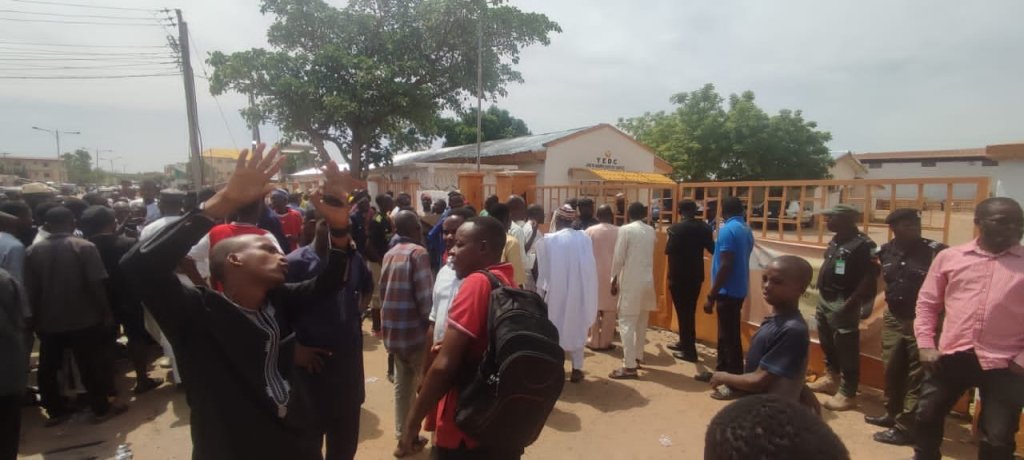
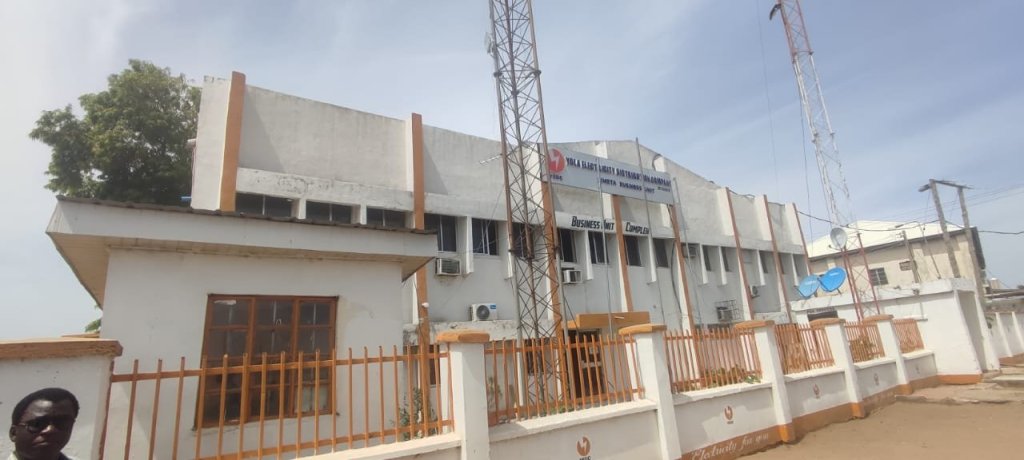
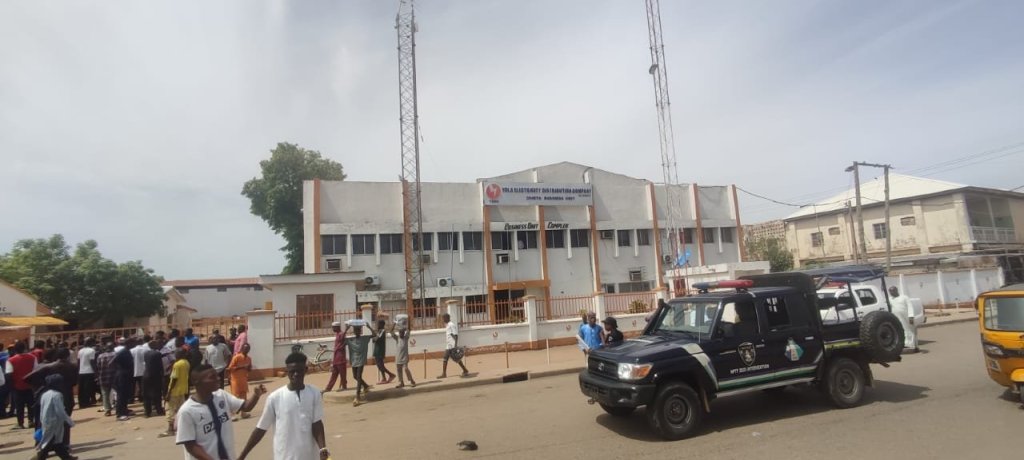
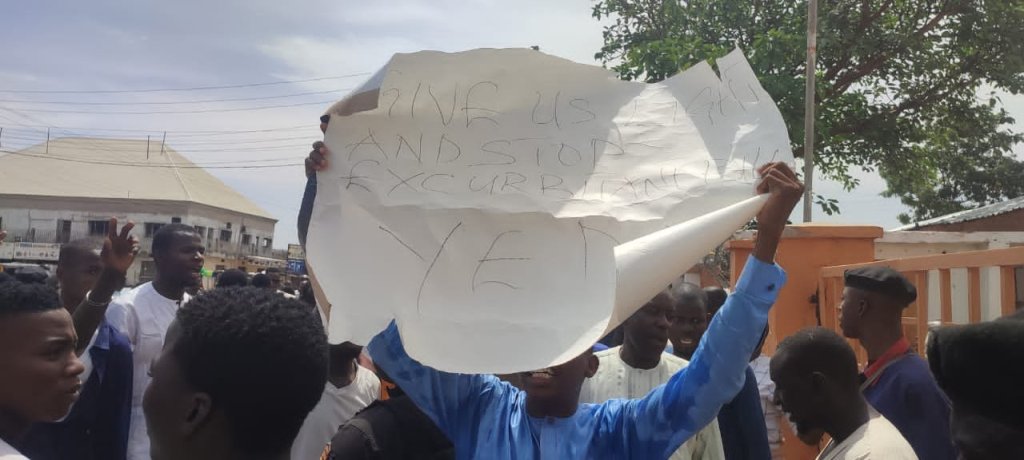
The recent protest by residents of Yola in Adamawa State highlights the poor power supply and high electricity bills faced by Nigerians.
The protesters complained about the exorbitant bills they received, even when there was little or no power supply. The residents claimed that they only received power once a week, and for the rest of the time, they were left in darkness.
The situation in Yola is not unique, as many Nigerians have to rely on alternative power sources such as generators and inverters to meet their energy needs. This has resulted in increased costs of living for citizens and businesses, and it has also contributed to the country’s environmental problems.
The Nigerian government has made efforts to address the power crisis, including privatizing the power sector, investing in new power generation facilities, and promoting renewable energy sources. However, progress has been slow, and the power crisis persists.
The power crisis in Nigeria remains a significant challenge for the country. The inadequate power supply, coupled with high electricity bills, has negatively impacted the lives and businesses of Nigerians. Urgent measures are required to address the problem, including increased investment in the power sector and the adoption of more sustainable energy sources.

 News Rendezvous
Leave a comment