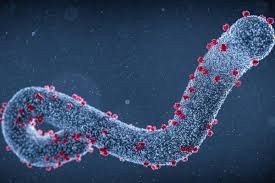
Marburg virus disease is a highly virulent disease that causes haemorrhagic fever, with a fatality ratio of up to 88%. It is in the same family as the virus that causes Ebola virus disease. Illness caused by Marburg virus begins abruptly, with high fever, severe headache and severe malaise. Many patients develop severe haemorrhagic symptoms within seven days. The virus is transmitted to people from fruit bats and spreads among humans through direct contact with the bodily fluids of infected people, surfaces and materials.
There are no vaccines or antiviral treatments approved to treat the virus.
However, supportive care – rehydration with oral or intravenous fluids – and treatment of specific symptoms, improves survival. A range of potential treatments, including blood products, immune therapies and drug therapies, as well as candidate vaccines with phase 1 data are being evaluated.

 News Rendezvous
Leave a comment